Lawyer Seeks Tobacco Litigation-Level Fees in Climate Change Lawsuit Before Supreme Court
In a case before the U.S. Supreme Court concerning whether governments can sue oil companies over climate change, a lawyer is seeking attorney fees at levels comparable to those awarded in tobacco litigation.
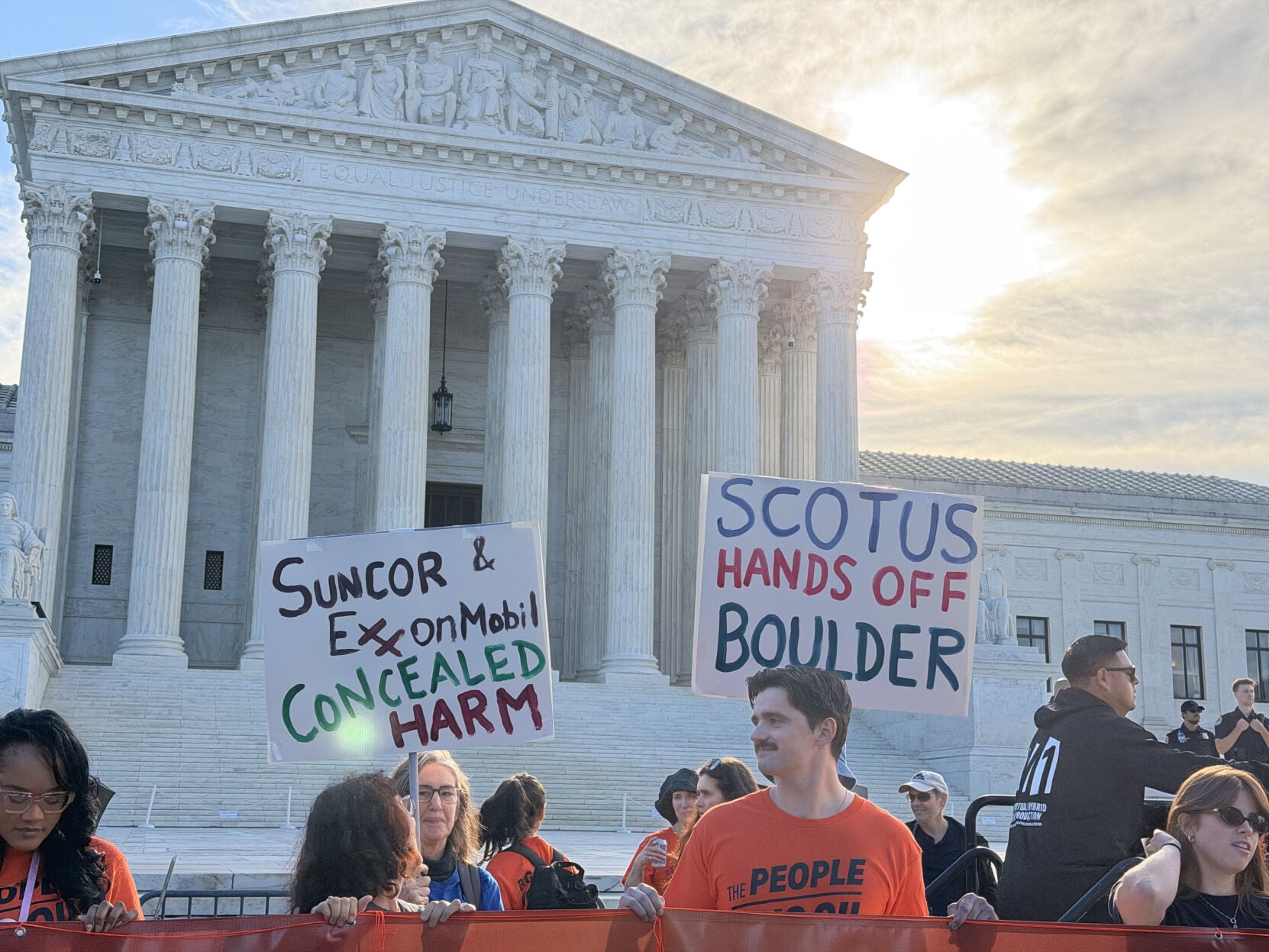
 Oklahoma City, OK, October 5, 2026 — A legal strategy is emerging in a significant U.S. Supreme Court case that pits governments against oil companies over climate change liability. The approach involves seeking attorney fees at a scale previously seen in major tobacco litigation.
The details surrounding the specific case and the lawyer advocating for these fees were not provided in the available information. However, the request signals a potentially substantial financial dimension to climate change lawsuits brought by governmental entities against fossil fuel producers. The U.S. Supreme Court is considering the foundational question of whether such governments have the legal standing to sue oil companies for damages attributed to climate change.
The comparison to tobacco litigation is notable. Historically, tobacco companies faced numerous lawsuits that resulted in significant financial settlements and jury awards. In some of these landmark cases, legal teams representing plaintiffs, including government bodies, secured substantial attorney fees as part of the resolution. These fees are often calculated based on the complexity of the case, the time invested by legal counsel, and the scale of the recovery achieved for the plaintiffs.
The lawyer’s aim to secure fees comparable to those in tobacco cases suggests an expectation of a significant outcome, either through a settlement or a court judgment, in the current climate change litigation. The specific amount or percentage of attorney fees being sought has not been disclosed.
The core of the Supreme Court case revolves around the legal arguments for holding oil companies accountable for the effects of climate change. This includes issues such as alleged deception regarding the risks of fossil fuels and the resulting global warming impacts like rising sea levels and extreme weather events. The court’s decision could set a precedent for how these types of climate liability cases proceed across the nation.
The attorney fee request underscores the high stakes involved in this litigation. If granted, it would reflect a major legal and financial precedent for environmental lawsuits moving forward. Further details regarding the parties involved, the specific claims made, and the proceedings before the Supreme Court were not immediately available.
Story summarized from the original created by Daniel Fisher and Jay Brown Legal Newsline on blackchronicle.com, see more information here.
Media gallery