
Bay Area Trash Compactor Helps Cali Restaurants Cut Waste Costs While Supporting Organics Diversion
Waste compactors, cardboard balers, food composters, and dehydrators help restaurants reduce hauling pressure, control
Press Release Disclaimer: This is a press release distributed through the XPR Media network. It has not been independently verified by our newsroom.
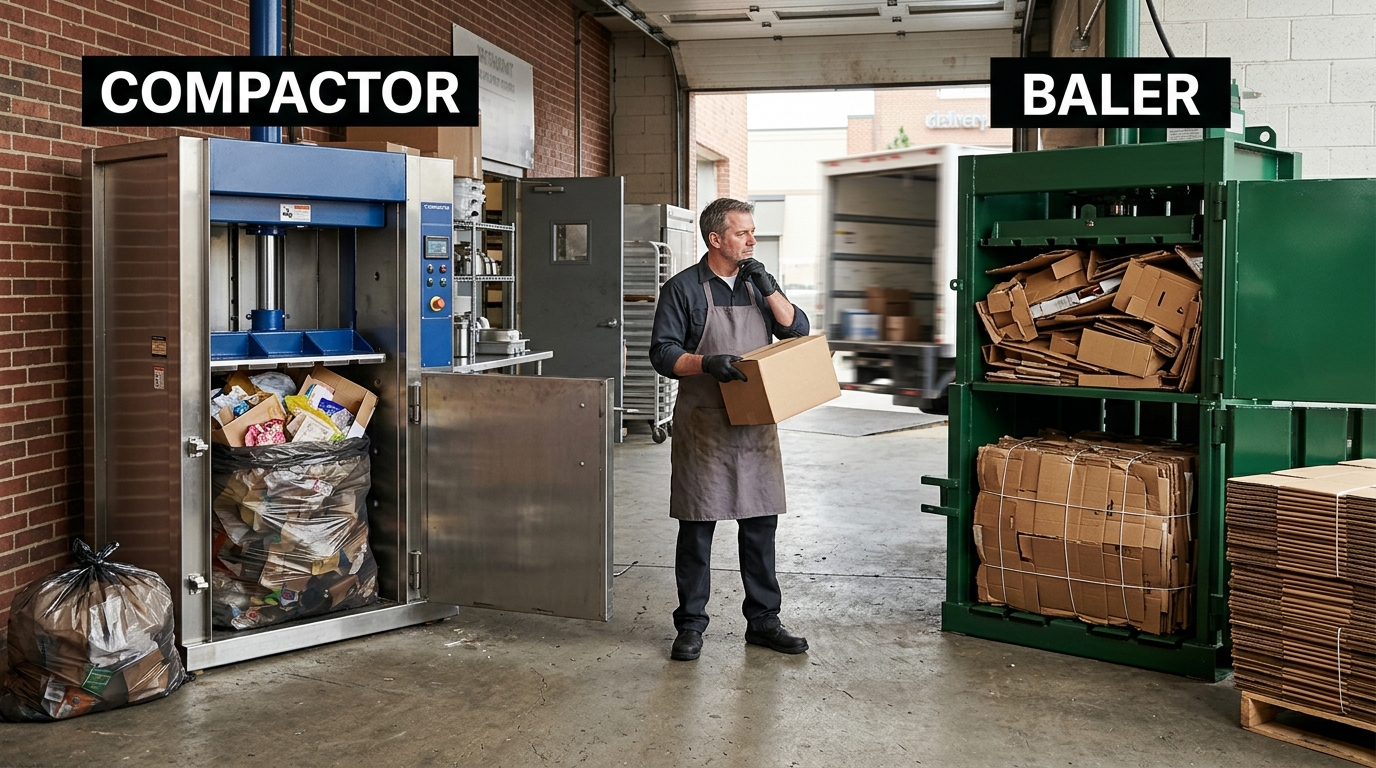

Waste compactors, cardboard balers, food composters, and dehydrators help restaurants reduce hauling pressure, control food waste, and maintain cleaner operations.
WALNUT CREEK, CA (PRUnderground) October 29th, 2026
Bay Area Trash Compactor is helping California restaurants take a more practical approach to waste management as operators face rising hauling expenses, increasing cardboard volume, moisture-heavy food waste, and evolving organics requirements.
Bay Area Trash Compactor was built around a straightforward mission: keep more waste out of landfills while helping businesses run more efficiently. For restaurant owners, that means looking beyond the dumpster and finding better ways to manage the materials that pile up behind the kitchen every day.
Restaurants create several waste streams at once. Bagged kitchen trash, food scraps, wet packaging, delivery boxes, plastic film, and recyclable materials can quickly crowd a back-of-house area. When everything goes into loose containers, businesses often pay for frequent collection, extra labor, and cleanup that could be avoided with a better equipment plan.
“We see restaurant teams working hard to keep up with service, deliveries, and food preparation,” said a spokesperson for Bay Area Trash Compactor. “Waste equipment should make that work easier. A properly planned system can reduce overflow, help control odors, and cut the number of times a hauler needs to visit the property.”
Many restaurants can lower waste-management expenses by consolidating loose material into fewer scheduled pickups. Properly sized compactors reduce the volume of bagged landfill trash before collection. Cardboard balers compress delivery boxes into dense bales for recycling. Food composters and dehydrators give kitchens additional options for managing organic material.
For full-service restaurants, Bay Area Trash Compactor’s trash, recycling, composting equipment and waste-management guidance can help clients save 35 to 75 percent on waste-management costs. The right setup can also reduce staff time spent flattening boxes, handling overflowing bags, or cleaning around waste bins.
One example is Amy’s Drive-Thru in Corte Madera, which needed a better way to manage daily trash and cardboard from its busy vegetarian fast-service operation. Bay Area Trash Compactor installed a 700ss Power Packer Compactor for landfill trash and a Bramidan B-5 baler for cardboard recycling.
The new setup reduced Amy’s trash pickups from six days per week to three. The business saved tens of thousands of dollars annually while reducing the number of trips employees needed to make across the drive-thru lane. The B-5 baler also compresses about 150 boxes into an easy-to-handle bale weighing 185 to 200 pounds, helping keep delivery cardboard from taking over the property.
The operational benefit reaches beyond the monthly hauling invoice. Cleaner waste areas can help reduce unpleasant odors, limit loose cardboard buildup, and make back-of-house work safer for restaurant teams. Fewer overflowing bins may also help reduce the chance of unauthorized dumping around restaurant enclosures.
Food waste creates another common challenge. Prep scraps, spoiled ingredients, plate waste, and food-soiled packaging can add weight and moisture to landfill trash. Restaurants that handle a steady flow of wet material may benefit from self-contained compactors, which help keep liquids contained during compaction and hauling.
California’s SB 1383 requirements also make organics management an important conversation for food-service businesses. Under the statewide framework, local jurisdictions must provide organic-waste collection service to businesses, unless an exemption, waiver, or approved self-haul arrangement applies. Restaurant operators should check local rules with their jurisdiction or waste provider because program details can differ by location.
Certain larger restaurants may also have edible-food recovery obligations. CalRecycle identifies restaurants with 250 or more seats or total facilities of at least 5,000 square feet as commercial edible food generators subject to applicable food-recovery requirements. These restaurants are expected to donate the maximum amount of edible food that would otherwise be disposed of, working with food-recovery organizations or services as required.
Bay Area Trash Compactor helps restaurants evaluate practical equipment that supports cleaner organics routines. Depending on the property’s food-waste volume, available space, and local collection program, that can include food composters, food-waste dehydrators, self-contained compactors, or a combination of systems.
The company serves restaurant operators throughout Northern and Southern California, including Walnut Creek, Concord, Pleasanton, San Ramon, and surrounding markets. Bay Area Trash Compactor works with fast-casual concepts, full-service dining locations, grocery stores, hotels, institutional kitchens, and other commercial properties that need reliable waste and recycling equipment.
A site review helps determine where waste is created, how often containers are collected, and what equipment fits the actual property layout. The assessment can account for daily bag volume, cardboard deliveries, wet-waste needs, enclosure size, hauler access, and current hauling expenses.
For restaurant owners, the message is simple: less loose waste means fewer truck trips, less cleanup, and more control over a cost that often gets overlooked.
About Bay Area Trash Compactor
Bay Area Trash Compactor provides commercial waste and recycling equipment solutions for businesses throughout Northern and Southern California. The company supplies and services trash compactors, cardboard balers, food composters, food-waste dehydrators, and related equipment designed to reduce waste volume, improve operational efficiency, and support landfill diversion.
For more information or to schedule a restaurant waste equipment assessment, contact Bay Area Trash Compactor at (925) 465-5133.
